
Support our Work
Unreal offers support and information to people with lived experience of Depersonalisation and Derealisation including people experiencing symptoms themselves and their carers, friends and families. We aim to raise awareness of DPDR, provide up to date medically-validated information, signpost people to relevant resources, push for policy change, assist in research studies and help people living with DPDR to meet others through our flagship Peer Support Programme to support each other.
Why Support?
Experiences of depersonalisation and derealisation are far more common than most people realise. Research suggests that between a quarter and over half of people experience DPDR symptoms at some point in their lives, with around one in five reporting symptoms in any given year. Rates are even higher in clinical settings: up to 40% of psychiatric in-patients and a large proportion of people with panic disorder experience DPDR, and around two-thirds of people report these symptoms during traumatic or near-death experiences. While for many the symptoms are temporary, 1–2% of the population live with clinically significant, persistent DPDR, rising to as many as one in five people in some mental health services.
Despite this, DPDR remains widely misunderstood, under-recognised, and under-supported leaving many people isolated and unsure where to turn. Unreal is currently the only UK-based charity providing dedicated support for people affected by DPDR, alongside just one specialist tertiary service serving the entire UK, and no NICE guidance to support consistent diagnosis or treatment. This leaves many people without clear pathways to care, accurate information, or understanding - making independent, lived-experience-led support more vital than ever.
In 2024 - 2025, your support helped us to:
-
For people living with depersonalisation and derealisation disorder, with 415 places taken up by community members seeking connection and understanding.
“It felt amazing to feel so understood. I didn’t have to spend time trying to explain myself.”
“I’d never even spoken to anyone with it (DPDR) before - it was so validating.”
-
Ensuring sessions are safe, well-moderated, and grounded in lived experience.
-
Including videos filmed with leading expert Clinical Psychologists Dr Elaine Hunter & Dr Emma Černis on What Is DPDR? and Information For Clinicians as well as the Coping Strategies series on social media and depersonalisation resource booklet for young people.
-
Strengthening understanding of DPDR among clinicians and researchers.
-
To ensure the information we share with the community is medically validated, accurate, and accessible.
-
At academic conferences, and provide talks to other organisations to raise awareness of the condition and supplement psychological curriculums at educational institutions.

When I found your charity…I couldn't even believe that other people experience this. Years later, I now have a diagnosis and have been in hospital in recovery. Seeing what you guys do has been a big turning point for me. I felt so alone.
Donate or
give regularly
Unreal relies on your generous donations in order to function as a charity and continue to support those with lived experience of DPDR.
If you would like to donate as a one-off gift or start a regular donation, you can do so by clicking the buttons below. If you’re able to give monthly, even a small regular donation helps us plan peer support sessions and maintain resources more sustainably.
Fundraise for Unreal
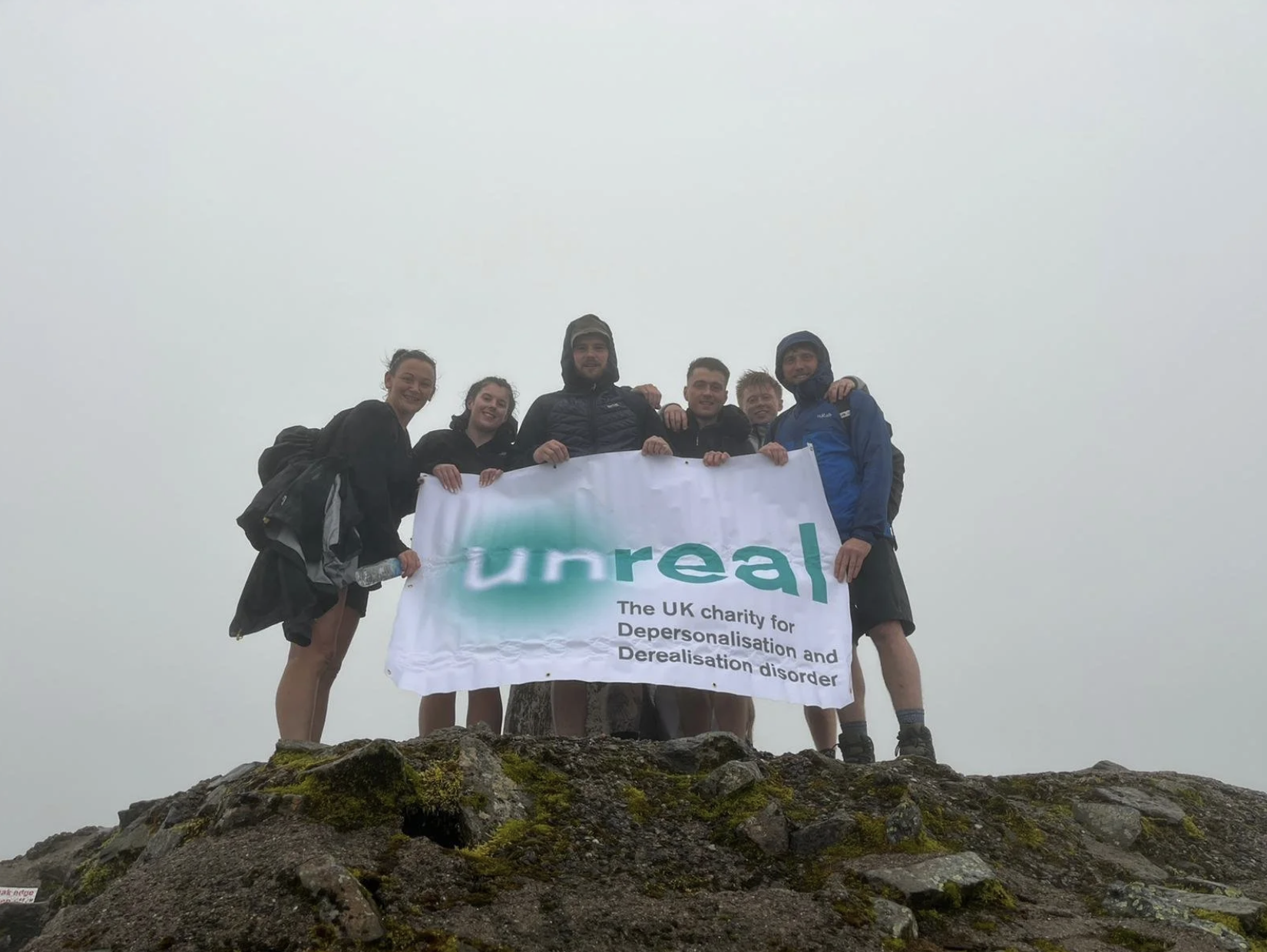
We are always keen to hear from supporters who would like to fundraise for Unreal. Whether you’re planning an event, challenge, or personal campaign, we’re happy to help promote your efforts and support you along the way. Please get in touch to discuss your idea.
What your donations do
Your donation helps us provide practical, compassionate support where it’s urgently needed.
£6 enables one person to attend a peer support group, offering connection, understanding, and relief from isolation.
£35 allows us to deliver a remote educational or awareness-raising talk to an organisation, helping professionals and communities better understand DPDR.
£130 supports an in-person talk.
£70 covers the average cost of training a peer support volunteer, ensuring our groups remain safe, well-facilitated, and grounded in lived experience.
£160 helps us run peer support sessions for an entire month, reaching people across the the world.
Larger or regular donations help us manage and sustain the peer support programme throughout the year which costs around £2,000 annually allowing us to plan ahead, support volunteers, and ensure that no one seeking help is turned away.
Our commitment to care and transparency
Unreal is a registered charity (1186498) governed by a board of trustees and led by people with lived experience of depersonalisation and derealisation disorder. This ensures that our work remains grounded in the real needs of the community we serve.
We are committed to delivering peer support that is safe, respectful, and compassionate. Our peer support work operates within clear safeguarding frameworks, with volunteers supported through training, guidance, and ongoing oversight to ensure our spaces remain supportive and appropriate.
Thank you for helping us continue to support people living with DPDR.