Rhiannon’s Story: Visualising Derealisation Through Art
I first experienced brief flashes of derealisation as a teenager. They only lasted a few minutes at a time, but they were deeply unsettling. Everything around me looked the same, yet something felt profoundly wrong. I would usually snap out of it quickly, but the intensity of those moments stayed with me.
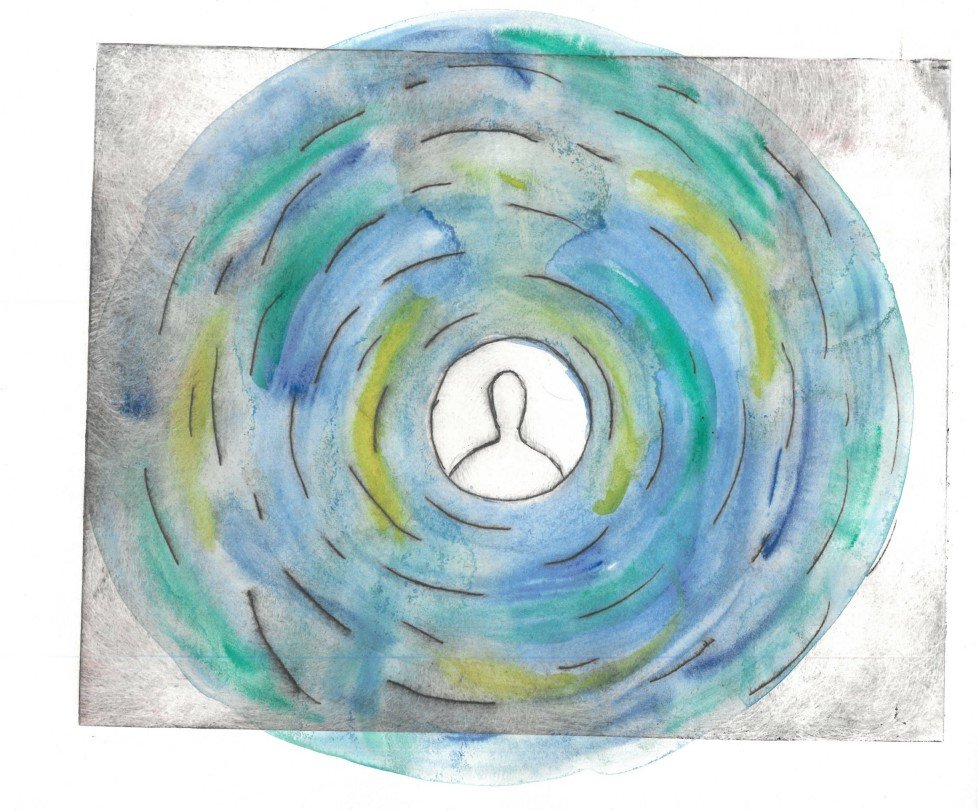
In 2017, following surgery for endometriosis, derealisation became constant rather than fleeting. The trauma of the surgery, combined with unresolved trauma from earlier in my life, seemed to overwhelm my system. From that point on, my experience of the world shifted. For those who have never experienced derealisation, I describe it as an “out-of-body experience inside my own body”: I see, hear, and speak as normal, but it feels as though I’m removed from myself, watching everything happen without being able to reconnect.
Certain situations can intensify this feeling. Walking familiar routes can suddenly feel distorted or threatening. Sitting opposite someone in conversation, it can feel as though the other person is slowly moving further away, as if space itself is stretching, telescoping out until they are at the end of a very long tunnel. At its worst, derealisation brings panic and isolation, along with the fear that I might never fully return to myself.
After years of considerable distress, I eventually accessed treatment at the South London and Maudsley in 2021. This was online due to the Covid-19 pandemic and by that point traditional CBT felt limited, largely because I had already developed my own coping mechanisms simply through surviving with the condition for so long. While I still experience symptoms, over time I’ve learned to recognise when they are becoming more prominent and, crucially, not to panic. Riding the sensations out rather than fighting them has reduced their intensity and helped prevent the spirals that once made them so overwhelming.
Making things has always been a coping mechanism for me. I’ve struggled with depression and anxiety for as long as I can remember, and for many years my outlet was sewing — particularly cross stitch and embroidery. The repetition and focus were grounding in ways I didn’t fully understand at the time. It is only in more recent years that I’ve branched into other forms of art.
Currently, I am studying art and design at college and have given myself both the time and the permission to explore derealisation directly through art. The structure, encouragement, and access to new processes opened a door I hadn’t previously felt able to walk through. Eight years after derealisation became constant, I finally have the space to reflect on that period of my life rather than simply endure it.
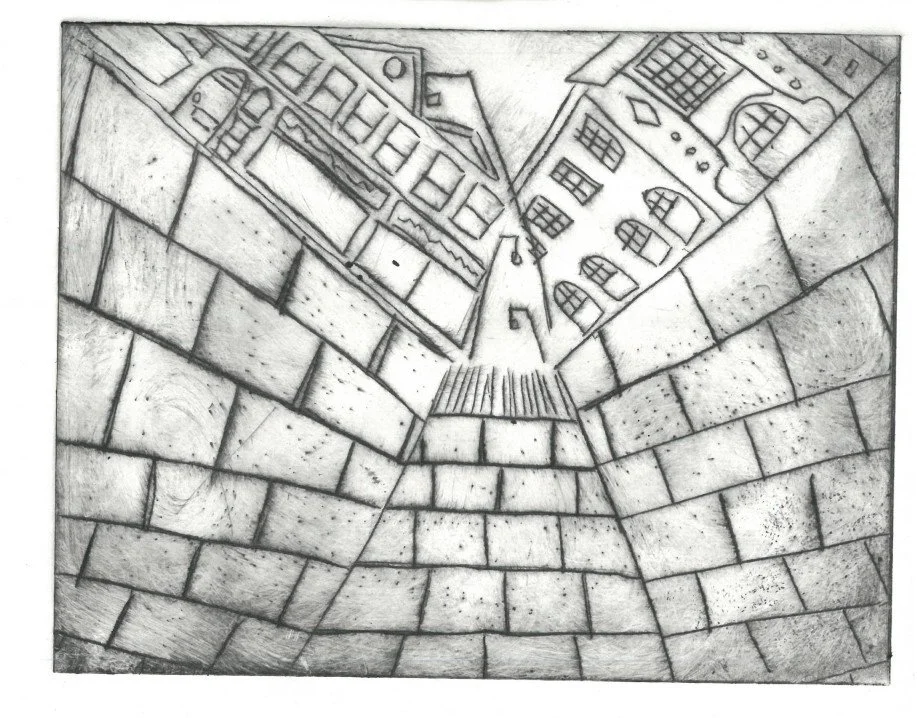
Through printmaking, photography, and digital manipulation, I began exploring ways to externalise what derealisation feels like rather than trying to explain it literally. Printmaking, especially dry point etching, became one of the most effective processes for me. Scratching repeatedly into the surface allowed me to build fragile, uncertain lines that echoed my unstable perception of space and self.
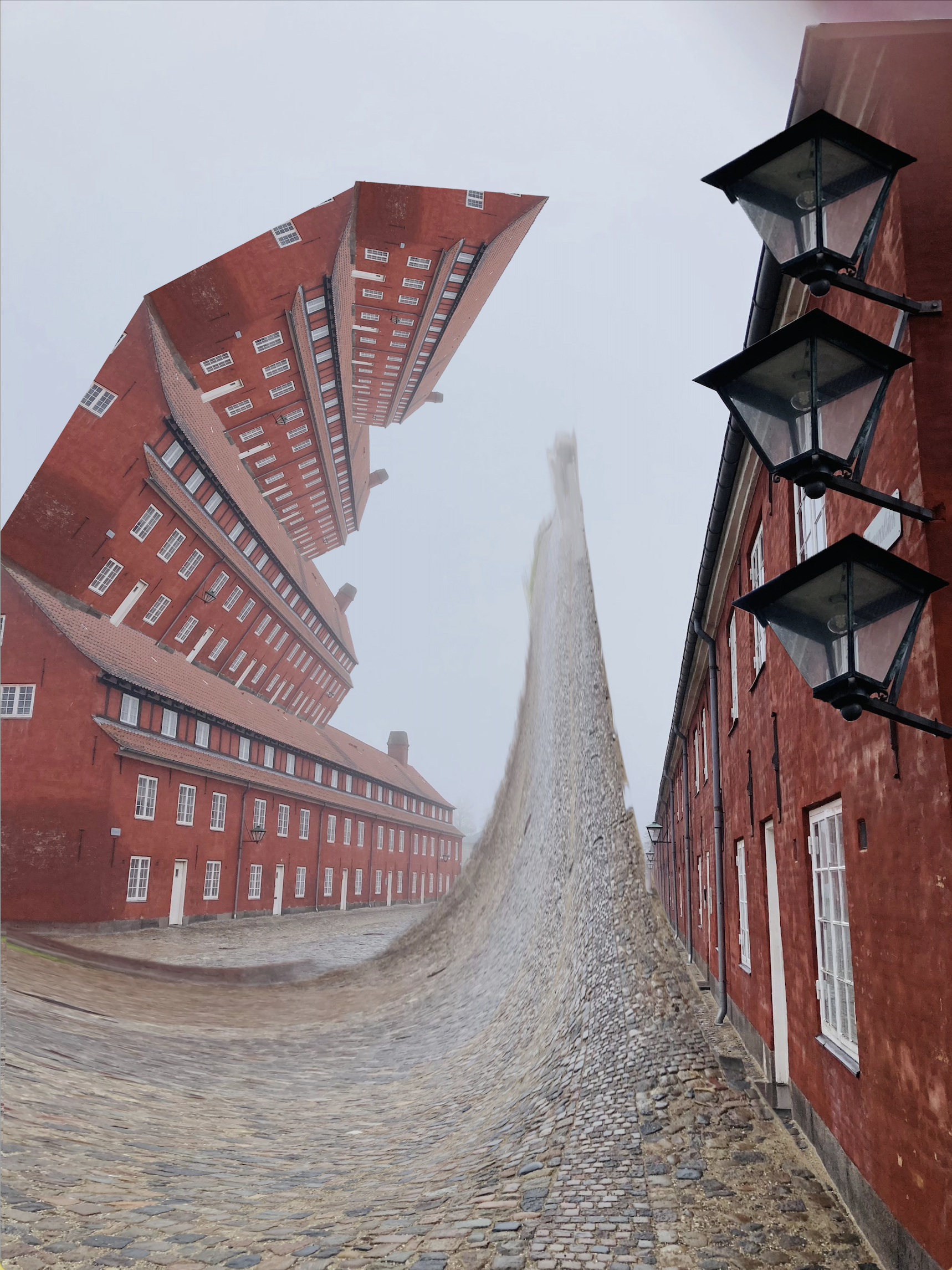
I was also surprised by how powerful digital manipulation became. Using Photoshop, I distorted photographs of real places — stretching roads, compressing space, and stacking familiar structures until they felt subtly wrong. These images came closest to representing how derealisation appears to me in real time: recognisable, but deeply unsettling.
Art hasn’t cured derealisation, but it has given me a way to observe it rather than be entirely consumed by it. Derealisation can be incredibly difficult to describe and often feels invisible to others. If sharing my work helps even one person feel seen or understood, then it feels worth doing.